

Computer Vision Development Services for Object Detection, OCR & Video Analytics
Build computer vision systems that convert visual data into real operational outcomes
WebbyCrown Solutions provides computer vision development services for organizations that want to interpret visual data, automate decisions, and improve measurable performance. We design and deploy computer vision systems that can analyze visual data from images, video, and live streams—turning visual data into reliable actions across quality control, inventory management, customer workflows, and security operations.
Worldwide delivery: We support teams across the US, Canada, UK, Europe, UAE, Australia, and India time zones.
Discuss Your Computer Vision Use Case
Computer vision in 2026: from demos to dependable production systems
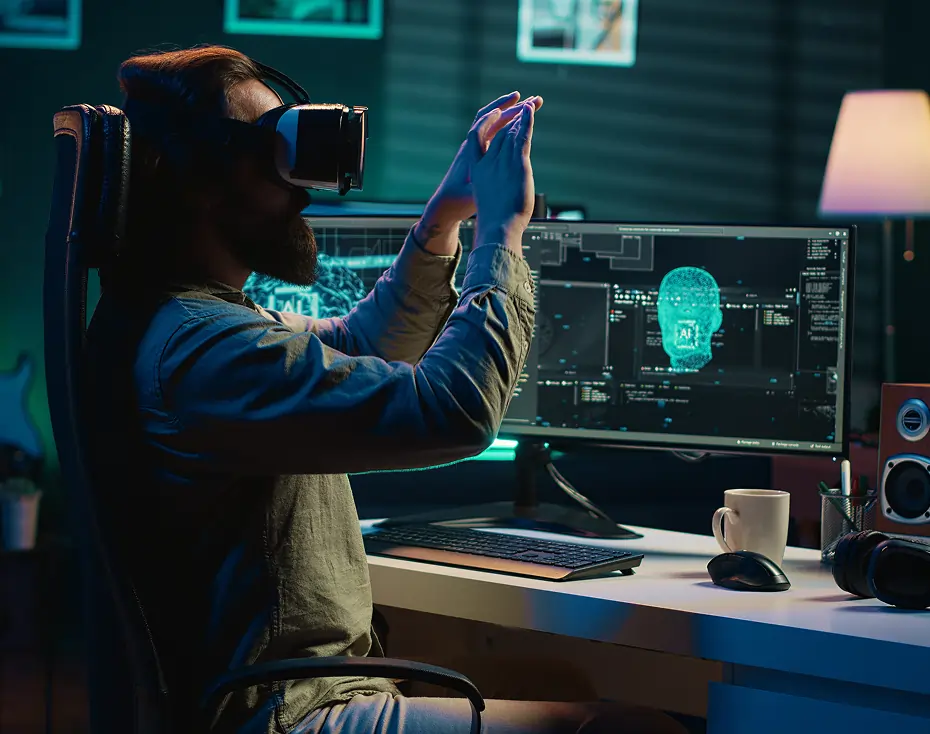
In 2026, computer vision success depends on more than training a model. Real computer vision technology must be engineered end-to-end: data pipelines, labeling strategy, model evaluation, deployment, monitoring, and governance. We build computer vision solutions that fit production constraints—camera placement, lighting variation, drift, edge compute limits—and we prioritize reliability and data protection from day one.
Our approach uses deep learning and modern neural networks when they deliver measurable advantage, while still applying the right computer vision techniques and traditional image processing techniques when they’re the most efficient path to optimal performance.
Computer Vision Services Built for Production Outcomes
A complete computer vision software development lifecycle
WebbyCrown Solutions delivers computer vision software development with a focus on real outcomes: reduced errors, faster throughput, and measurable gains in operational efficiency. We combine consulting, engineering, deployment support, and governance to help enterprises implement computer vision responsibly and at scale.
Computer Vision Consulting Services
Our computer vision consulting services help you define the right problem, confirm feasibility, and plan the fastest path to value.
- Use-case selection and ROI estimation (quality control, inventory management, safety monitoring, document processing)
- Technical discovery: camera placement, lighting, throughput needs, latency limits
- Architecture decisions: edge, cloud, or hybrid computer vision software
- Roadmap for implementing computer vision with clear KPIs
Computer Vision Software Development
We build computer vision software that integrates into real workflows and produces explainable, measurable outcomes, including front-end experiences powered by Angular development services for modern web and mobile apps.
- Computer vision software development for web, mobile, and enterprise workflows
- APIs and services to power computer vision apps that connect seamlessly with our mobile application development expertise
- QA, reliability testing, and performance validation
- Production hardening for optimal performance and predictable costs
Computer Vision System Integration
We integrate computer vision into existing systems so teams don’t need to change how they work.
- Integration with ERP/WMS, manufacturing execution systems, helpdesk tools, and BI dashboards
- Secure connectivity to cameras, storage, and data lakes
- Event routing and automation hooks for business processes
- Access control patterns for role-based usage and approvals
Advanced Computer Vision Model Optimization
We improve accuracy, stability, and efficiency of computer vision models over time.
- Model evaluation, threshold tuning, and retraining triggers
- Cost/latency optimization for edge and cloud deployments
- Validation against real-world variation (lighting, motion, camera shifts)
- Continuous improvement toward optimal performance
Visual Data & Data Services
Computer vision lives or dies by visual data. We set up the systems that keep your data usable and secure.
- Data collection strategy, labeling guidance, and data quality gates
- Dataset versioning and governance for data security
- Data analysis to identify drift and failure patterns
- Audit-friendly documentation for regulated use cases (e.g., medical images)
Computer Vision Capabilities
Core computer vision tasks we deliver
We build computer vision applications and systems around the tasks that create business value.

Object detection and tracking
- Object detection for counting, inspection, safety zones, and defect discovery
- Object tracking across frames for video analytics, motion analysis, and events
- Modern object detection algorithms selected for your constraints (accuracy vs latency vs compute)

Image recognition and classification
- Image recognition for products, assets, components, and patterns
- Image classification for sorting, routing, and decision triggers
- Image analysis pipelines that produce reliable outputs for operations

Image segmentation
- Image segmentation for precise boundaries (defects, medical imaging regions, surfaces)
- High-precision segmentation for measurement or anomaly localization

OCR and document intelligence
- Optical character recognition to extract text from images and scans
- Intelligent character recognition for harder documents and mixed formats
- Document workflows that convert images into structured, searchable data

Video analytics and visual search
- Video analytics for safety monitoring, activity detection, and compliance alerts
- Visual search to match products, parts, or reference images quickly

Quality control automation
- Visual inspection for defect detection and consistency
- Measurement and verification workflows for manufacturing or packaging
- Routing for human review when confidence is low
Technology and Methods
How we design computer vision systems that perform in real environments
We use modern computer vision tools and proven engineering patterns to deliver consistent performance.
Deep learning and modern architectures
- Convolutional neural networks and modern deep learning pipelines for strong accuracy
- Practical deep learning techniques for robustness and generalization
- Evaluation methods that test real failure modes (lighting shifts, blur, occlusion)
Algorithms and image processing
- Computer vision algorithms selected for speed and reliability
- Image processing workflows for preprocessing, normalization, enhancement
- Advanced image processing where it improves accuracy without adding unnecessary complexity
-
Balanced use of machine learning and machine learning algorithms when data and ROI justify it, supported by our broader machine learning development and consulting services
- Selective use of traditional image processing techniques when they produce simpler, more stable outcomes
Machine vision vs computer vision
- We implement machine vision for deterministic inspection and automation scenarios
- We use broader computer vision approaches for complex scenes, video analytics, and higher-level interpretation
Vision Development Process
A production-first process for successful computer vision projects
Every computer vision project has unique constraints—cameras, environments, throughput, data access, and privacy. Our vision development approach reduces risk and accelerates delivery.
01
Discovery and feasibility
- Define the goal, KPIs, and acceptance thresholds
- Confirm what “success” means (accuracy, latency, false positives/negatives)
- Identify data security needs and access control requirements
02
Visual data strategy
- Plan visual data sources, sampling, and labeling rules
- Define data collection, retention, and governance
- Confirm data quality standards and what “bad data” looks like
03
Data preparation and validation
- Clean and normalize datasets
- Validate label consistency and bias
- Run data analysis to detect gaps and edge cases
04
Model development and evaluation
- Build and test computer vision models against real scenarios
- Optimize for the right trade-off: optimal performance vs runtime cost
- Document model behavior and failure patterns
05

Deployment and integration
- Deploy to edge, cloud, or hybrid environments
- Integrate computer vision outputs into existing systems and business processes
- Configure event routing, dashboards, and alerts
06
Monitoring and continuous improvement
- Track performance drift and quality changes over time
- Retraining triggers and versioned releases
- Ongoing optimization based on real production behavior
This process helps teams confidently implementing computer vision while maintaining reliability and data protection.
Use Cases Across Industries and Business Functions
Advanced computer vision solutions for real operations
We deliver advanced computer vision solutions across various industries, but we organize work around common business functions so your teams can adopt faster.
Manufacturing and quality control
- Visual inspection to reduce defects and rework
- Machine vision checks on lines for consistency
- Automated quality control and exception routing
Retail and inventory management
- Inventory management through shelf/stock recognition
-
Product identification and visual search for faster operations, often combined with AI agent development services for enterprises to automate decisions and responses
-
Customer workflows powered by image recognition and image analysis, surfaced through Vue.js development services for responsive interfaces
Healthcare and medical imaging
- Working with medical images for detection support and segmentation workflows
- Tools to analyze medical images where appropriate governance exists
- Support systems that assist clinicians without replacing clinical judgment
Security and safety monitoring
- Video analytics for safety zones, restricted areas, and incident review
- Governed facial recognition only where permitted and ethically appropriate
- Improved compliance with enhanced security controls and access control
Logistics and operations
- Package validation and damage detection
- Object detection for counting and routing
- Video analytics for throughput and operational visibility
Customer behavior and experience
- Customer behavior analysis from in-store or product interactions (where allowed)
- Insights that support better layouts, staffing, and service outcomes
- Valuable insights tied to measurable business outcomes
Security, Access Control and Data Governance
Prioritize data security for visual data and sensitive environments
Computer vision often involves sensitive sources—CCTV streams, site cameras, identity documents, and medical images. We prioritize data security throughout the lifecycle.
Security and governance practices
- Role-based access control to camera streams, datasets, and dashboards
- Encryption and controlled retention guidance for visual data
- Audit logs for model releases, dataset changes, and access events
- Separation of environments (dev/test/prod) to protect sensitive data
- Quality gates so only validated models enter production
- Secure integration patterns when connecting to existing systems
We design custom solutions that fit your risk level and still deliver optimal performance.
Digital Success Stories That Drive Results
See how we’ve helped startups and enterprises scale smarter—reducing costs, improving efficiency, and shipping reliable software across web, mobile, eCommerce, SaaS, and AI.

NAILD.de – Custom Shopify Store for Nail Salon (DACH Press-On Nails)
Solution
Multi-language, currency & bundling on Shopify


Custom WooCommerce Store for Peerless Umbrella (B2B & Wholesale)
Solution
WooCommerce with role-based pricing, AI & smart tools

Magnificette – A Headless eCommerce Platform for Electronic Components
Solution
Headless eCommerce with Bagisto backend & Next.js frontend


SUMHIIT Fitness Website Case Study: Expert Tips and Insights on High-Intensity Workouts
Solution
35‑minute HIIT workout sessions combining strength

Why WebbyCrown Solutions
A computer vision development company focused on outcomes, reliability, and trust
WebbyCrown Solutions is a computer vision development company that combines delivery discipline with practical computer vision expertise. We focus on building production-ready computer vision software—not prototypes.
What sets us apart
- A structured approach to designing and deploying computer vision systems
- Strong experience integrating solutions into existing systems
- A focus on monitoring, performance governance, and reliability
- Global delivery practices for distributed teams
Meet the experts (E-E-A-T block)
Add real names/titles on your live page (recommended):
- Computer Vision Lead / Solution Architect
- Computer vision engineers (deployment, optimization, systems)
- Computer vision developers (apps, APIs, integrations)
- Computer vision experts (model selection, evaluation, edge cases)
Ready to deploy computer vision that works in production?
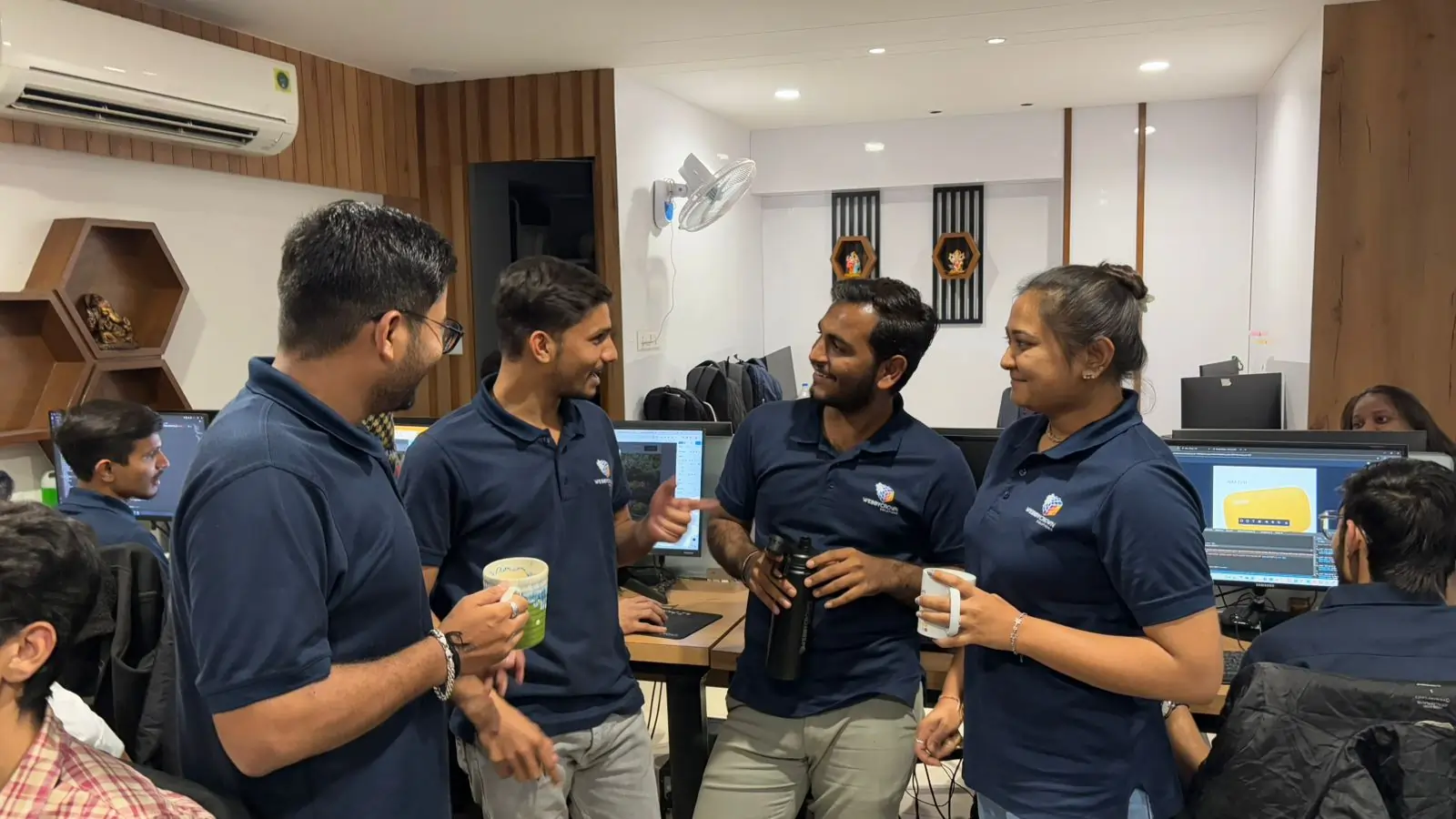
If you want reliable computer vision solutions—built with data security, integration readiness, and measurable outcomes—WebbyCrown Solutions can help you plan, build, and scale.
Frequently Asked Questions
What are computer vision development services?
Computer vision development services include discovery, data strategy, model development, deployment, integration, and ongoing monitoring. The goal is to build computer vision systems that can interpret visual data reliably and create measurable outcomes in production.
What’s the difference between machine vision and computer vision?
Machine vision typically focuses on deterministic inspection and measurement in controlled environments. Computer vision is broader and often uses deep learning to analyze complex scenes, video, and higher-level interpretation tasks.
Do you build computer vision software and applications?
Yes. We build computer vision software and deliver computer vision software development for web, mobile, and enterprise systems. We can also develop computer vision applications as standalone apps or embedded modules inside existing platforms.
Which tasks can computer vision handle best?
Common computer vision tasks include object detection, image recognition, image classification, OCR, object tracking, image segmentation, and video analytics. The best choice depends on your data, environment, and latency requirements.
Can you integrate computer vision into our existing systems?
Yes. We integrate computer vision outputs into existing systems (ERP/WMS/MES/helpdesk/BI) using secure APIs, access control, and event workflows—so teams can adopt without disruption.
How do you protect visual data and sensitive sources?
We prioritize data security with access control, encryption, retention guidance, audit logs, and environment separation. For sensitive domains (medical images, CCTV), we design governance and approvals appropriate for your risk profile.
Do you support OCR and intelligent character recognition?
Yes. We implement optical character recognition and intelligent character recognition to extract structured data from documents, images, and scans—often combined with workflow automation.
Do you use natural language processing with computer vision?
Sometimes. In document workflows, we may combine vision extraction with natural language processing for classification or structured outputs when it improves accuracy and reliability.